
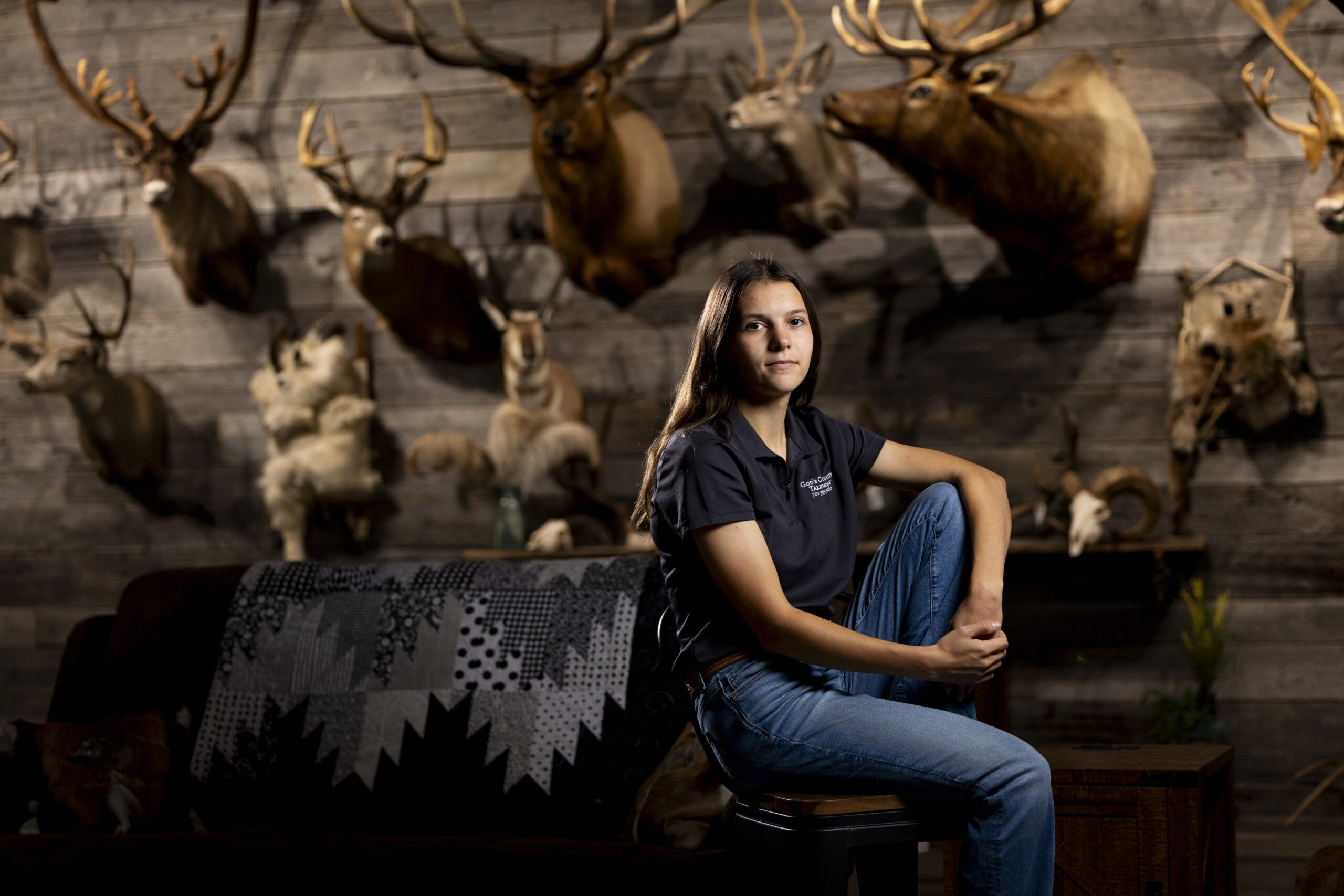
 Evie Janousek poses for a photo at her home in Hillsboro, Kentucky, on Friday, Oct. 16, 2026. Janousek is the owner of God’s Country Taxidermy, and has been an avid lover of taxidermy since she was a child. Isabella Sepahban/The Watchdog
On the outskirts of Hillsboro, Kentucky, inside of a small workshop, the dead are brought back to life.
For Evie Janousek, she has always dreamed of being a taxidermist.
“I always wanted to do it,” Janousek said. “There was never a plan B.”
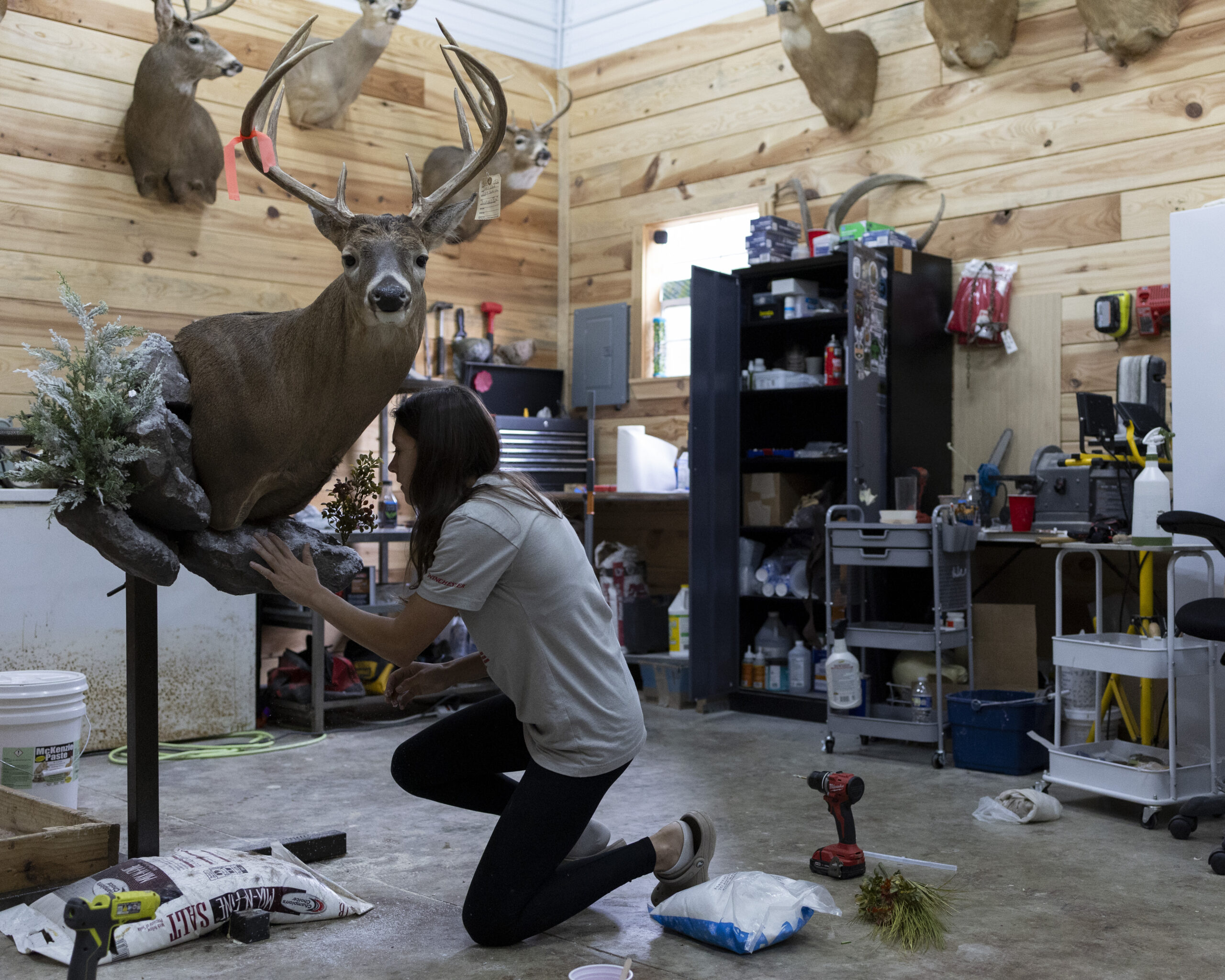 Evie Janousek, owner of God’s Country Taxidermy, works on a habitat for a white-tailed deer shoulder mount at her workshop in Hillsboro, Kentucky, on Friday, Oct. 16, 2026. For Janousek, taxidermy has always been her dream. “I always wanted to do it,” she said. “There was never a plan B.” Isabella Sepahban/The Watchdog
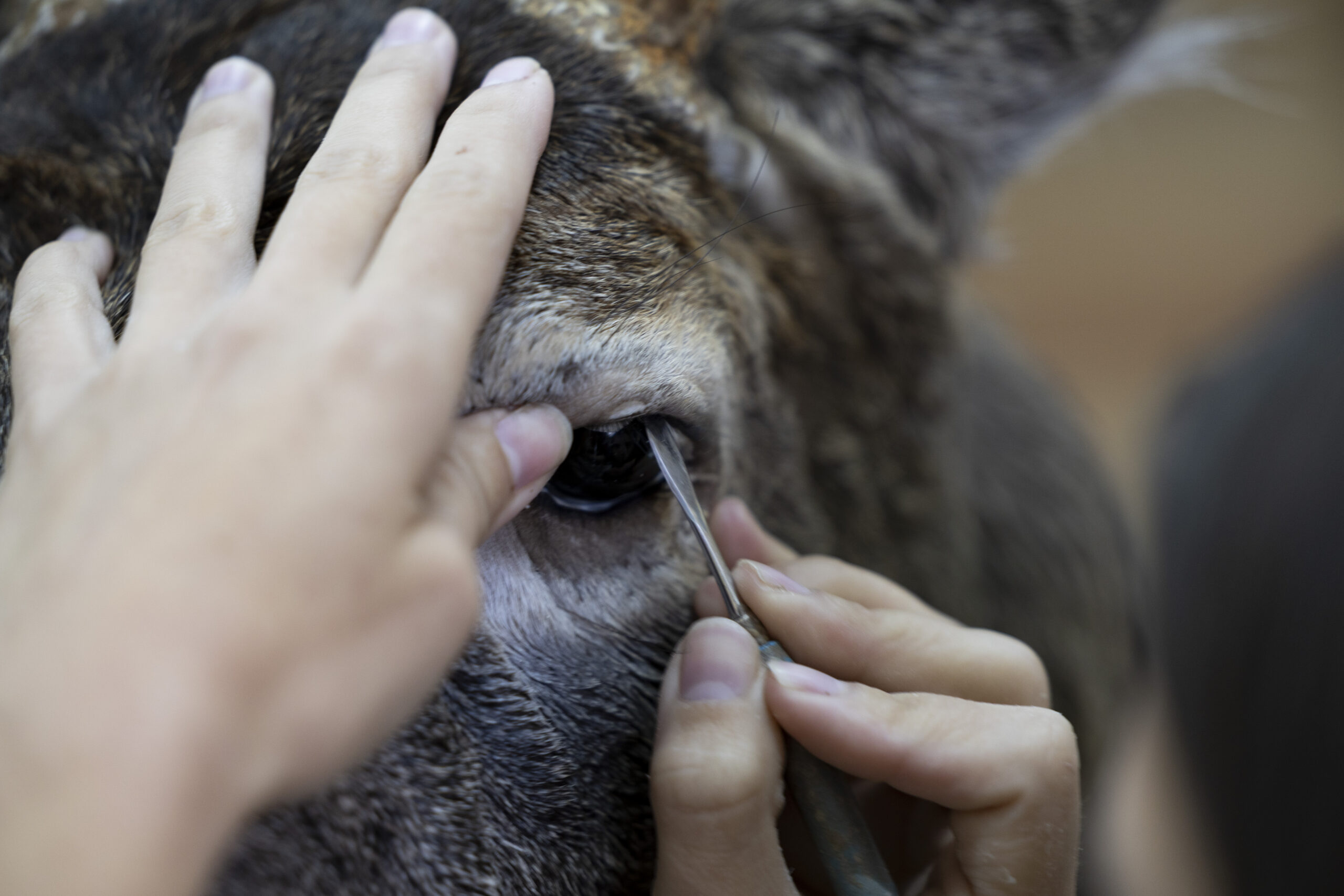 Evie Janousek, owner of God’s Country Taxidermy, tucks in the eyelid of a white-tailed deer taxidermy at her workshop in Hillsboro, Kentucky, on Thursday, Oct. 15, 2026. According to Janousek, taxidermy can help tell the story of both the hunter and the animal. “This person harvested this animal to feed their family,” Janousek said. “They want to preserve the memory of this hunt, from start to finish, whether they had years of history with it or they just happened to see it.” Isabella Sepahban/The Watchdog
At 17, Janousek moved to Great Falls, Montana, where she served as an apprentice for her uncle’s taxidermy shop. While working with her uncle, Janousek said she would work on over 500 animals a season.
It was in Montana, at a hunting convention, that Janousek would meet her husband, Brad.
“He sold me a really expensive pair of binoculars, and it bloomed from there,” Janousek said.
After completing her apprenticeship in Montana around the age of 20, Janousek and her husband moved to Morehead, Kentucky, where she would open God’s Country Taxidermy and eventually give birth to their now 1-year-old son, Remi.
As an avid hunter growing up in northern Minnesota and then Montana, Janousek said she learned the value early on of harvesting the whole animal that was killed, rather than just valuing its hide.
“We always harvest the oldest deer that we have on our property because the value of that deer is no longer needed because there’s younger deer that are coming in,” Janousek said. “You always want to take the most mature animal you can, because his life is going to be shorter and he’s lived his life, he’s spread his genes to the younger generation.”
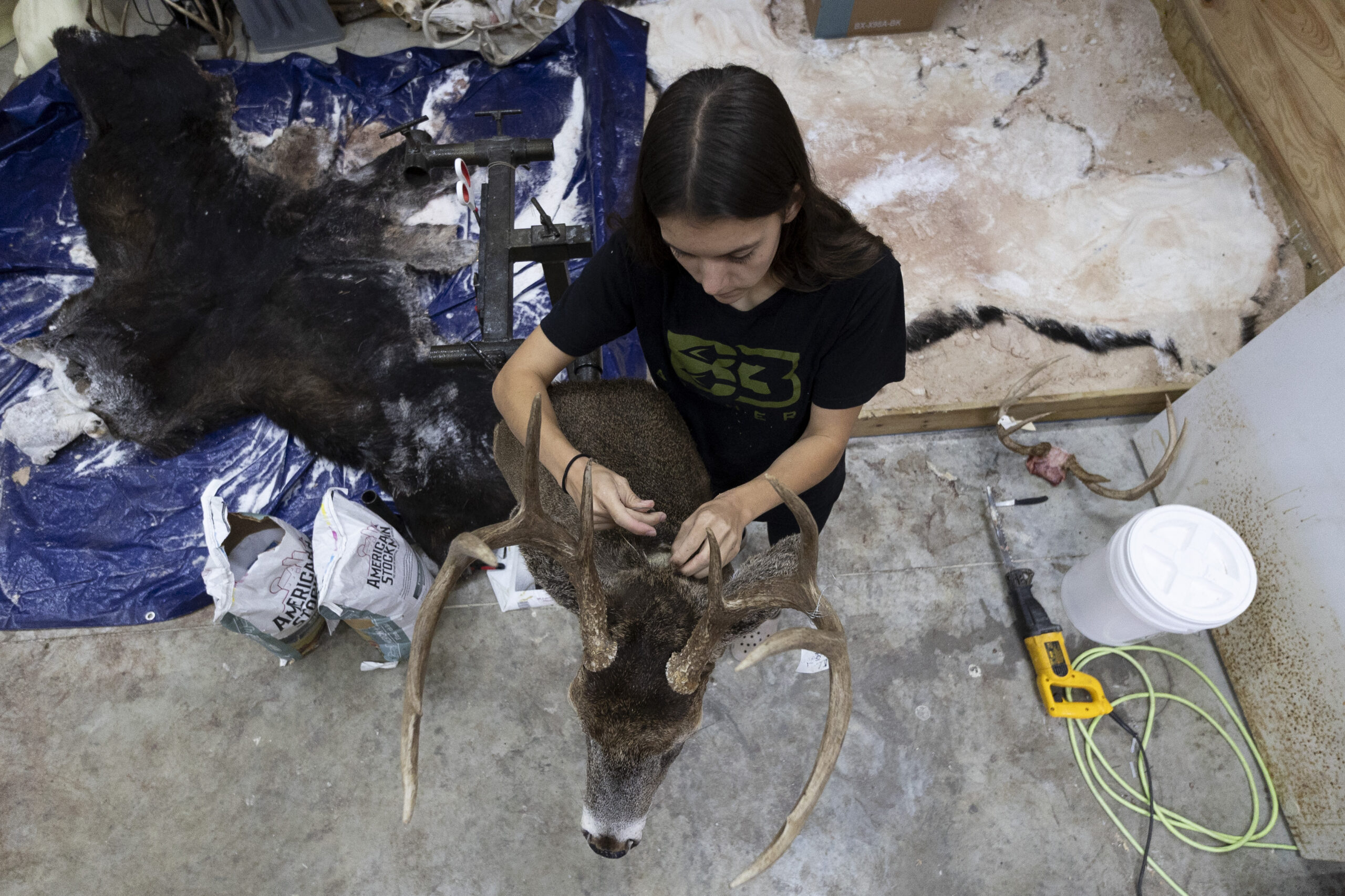 Evie Janousek, owner of God’s Country Taxidermy, sews the hide of a white-tailed deer shoulder mount at her workshop in Hillsboro, Kentucky, on Thursday, Oct. 15, 2026. As an avid hunter growing up in northern Minnesota and then Montana, Janousek said she learned the value early on of harvesting the whole animal that was killed, rather than just valuing its hide. “We always harvest the oldest deer that we have on our property because the value of that deer is no longer needed because there’s younger deer that are coming in,” Janousek said. “You always want to take the most mature animal you can, because his life is going to be shorter and he’s lived his life, he’s spread his genes to the younger generation.” Isabella Sepahban/The Watchdog
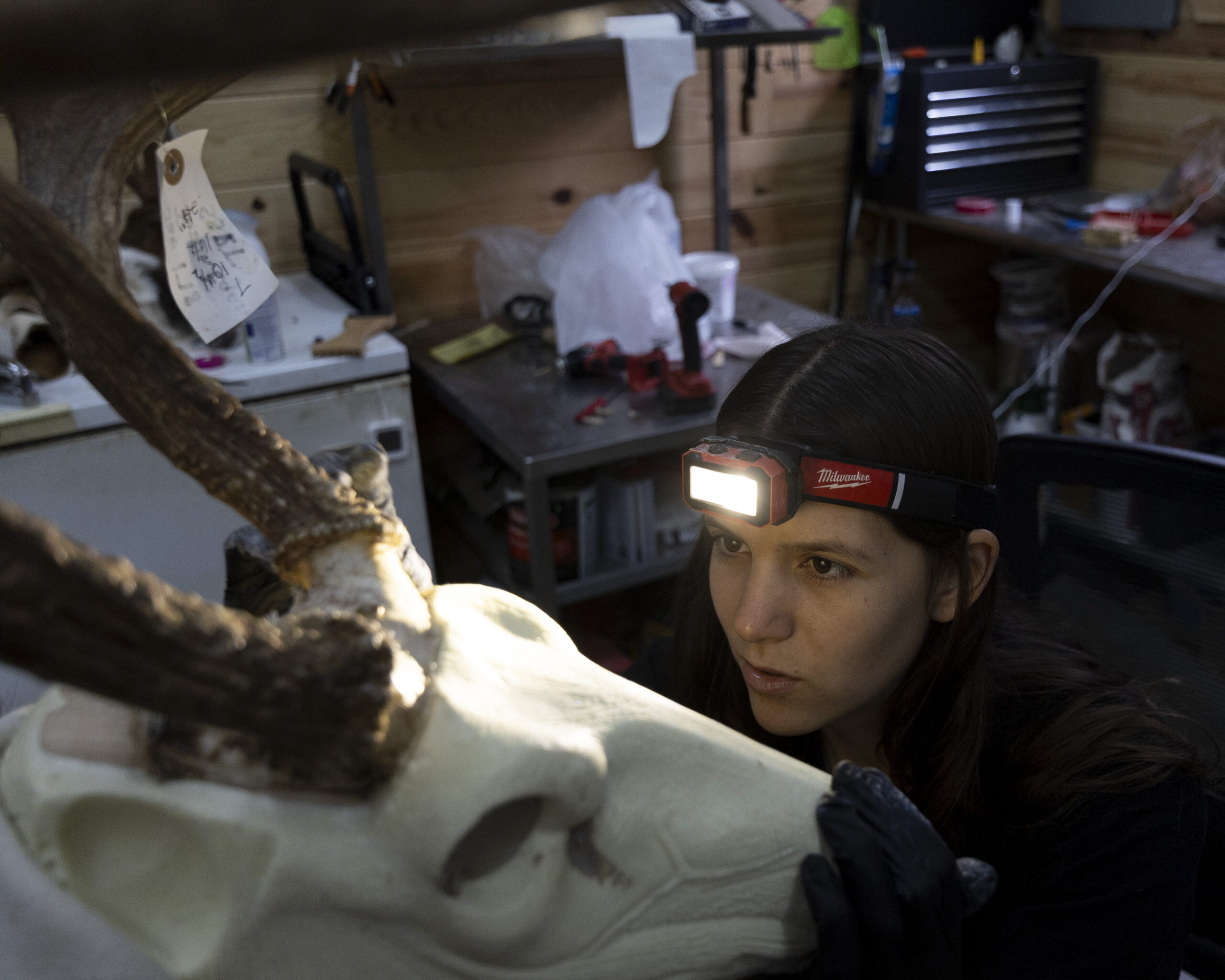 Evie Janousek, owner of God’s Country Taxidermy, molds the eye shape of a white-tailed deer shoulder mount at her workshop in Hillsboro, Kentucky, on Thursday, Oct. 15, 2026. On average, Janousek said she spends 8-10 hours working on a shoulder mount. Isabella Sepahban/The Watchdog
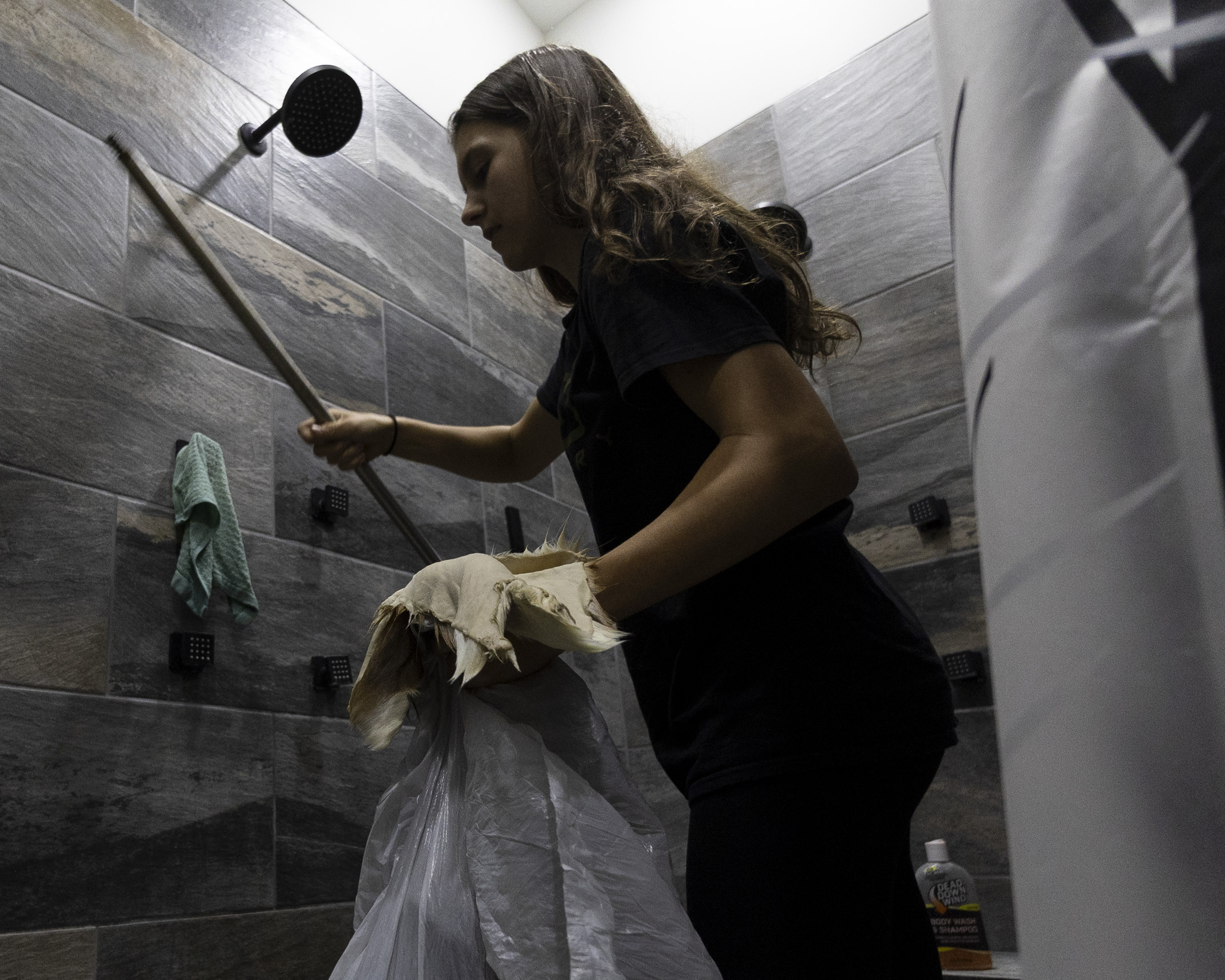 Evie Janousek, owner of God’s Country Taxidermy, takes a white-tailed deer hide out of her shower at her home in Hillsboro, Kentucky, on Thursday, Oct. 15, 2026. Janousek said soaking the hide before working on it allows the skin to stretch better, reducing the likelihood of tears. Isabella Sepahban/The Watchdog
Janousek said she often talks to those who look at hunting more negatively, rather than as a form of wildlife conservation, in hopes to educate them further on the positive effects of hunting.
“You’re always gonna have those people that don’t get it and the people that just completely don’t follow the rules when it comes to the conservation side of things,” Janousek said. “It all boils down to conservation.”
According to Janousek, taxidermy can help tell the story of both the hunter and the animal.
“This person harvested this animal to feed their family,” Janousek said. “They want to preserve the memory of this hunt, from start to finish, whether they had years of history with it or they just happened to see it.”
Janousek’s husband, a timber industry worker, stays in New Mexico for work, she said, but comes home once a month for roughly a week at a time. This, alongside working 8-10 hours a day by herself in her shop, causes Janousek to face moments of deep loneliness.
“It definitely hits me harder on certain days,” Janousek said. “But I think it’s a combination of overwhelming knowledge when I walk through the door in the morning and I see the entire pile of hides . . . just knowing how much work needs to be done and how I’ll always be behind.”
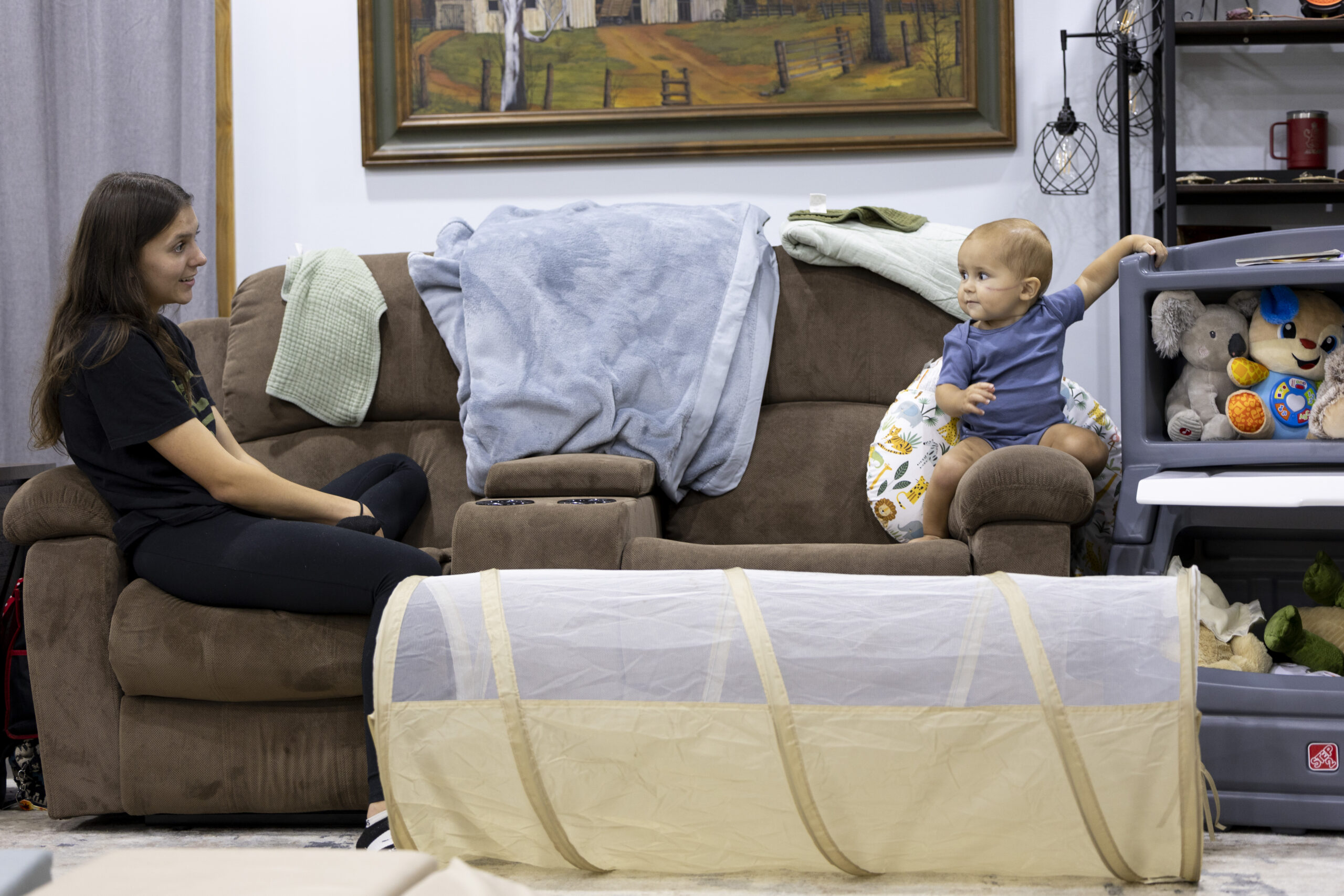 Evie Janousek, owner of God’s Country Taxidermy, plays with her 1-year-old son, Remi, at her home in Hillsboro, Kentucky, on Thursday, Oct. 15, 2026. Janousek met her husband, Brad, while working as a taxidermy apprentice in Great Falls, Montana. “He sold me a really expensive pair of binoculars, and it bloomed from there,” Janousek said. Isabella Sepahban/The Watchdog
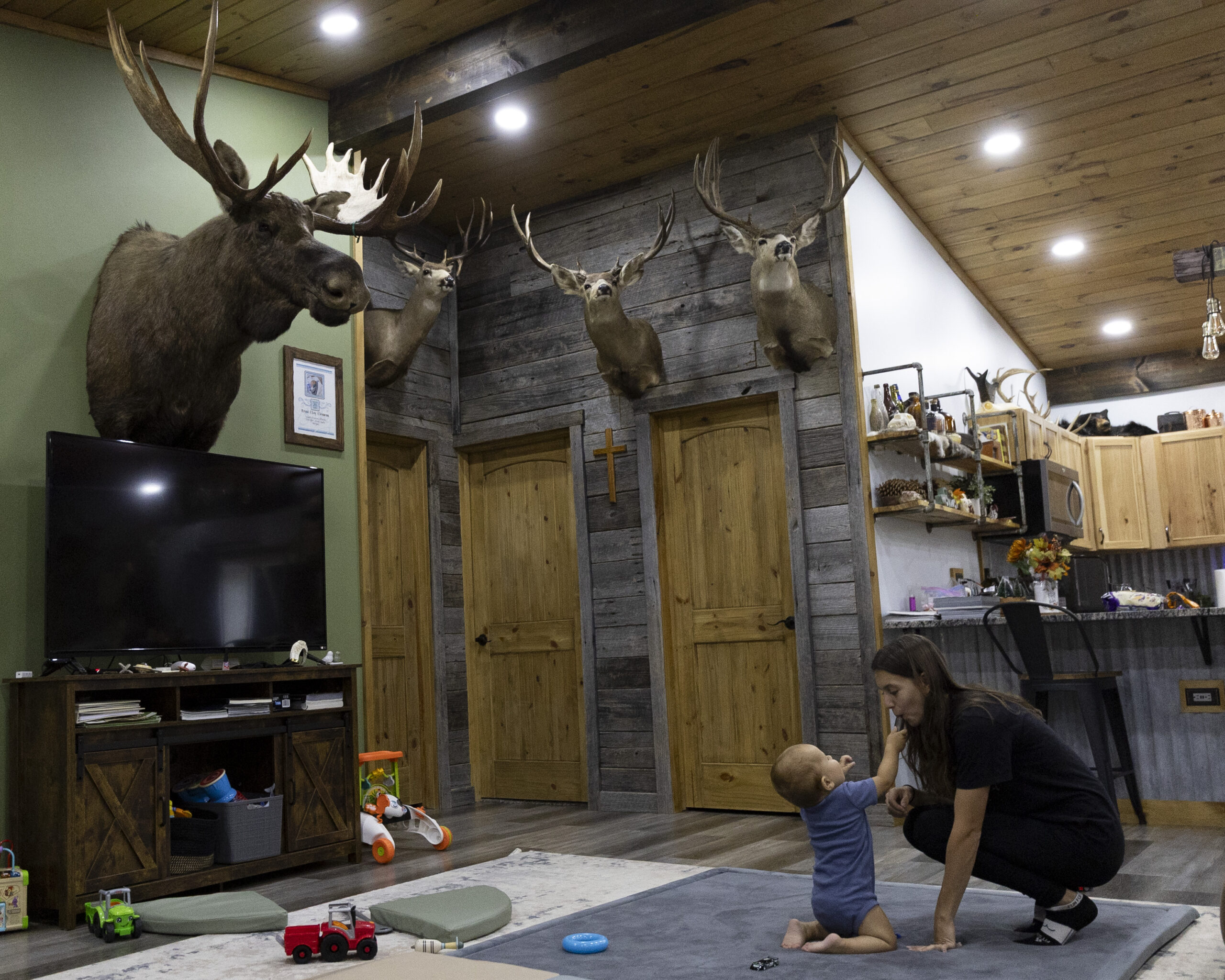 Evie Janousek, owner of God’s Country Taxidermy, plays with her 1-year-old son, Remi, at her home in Hillsboro, Kentucky, on Thursday, Oct. 15, 2026. Isabella Sepahban/The Watchdog
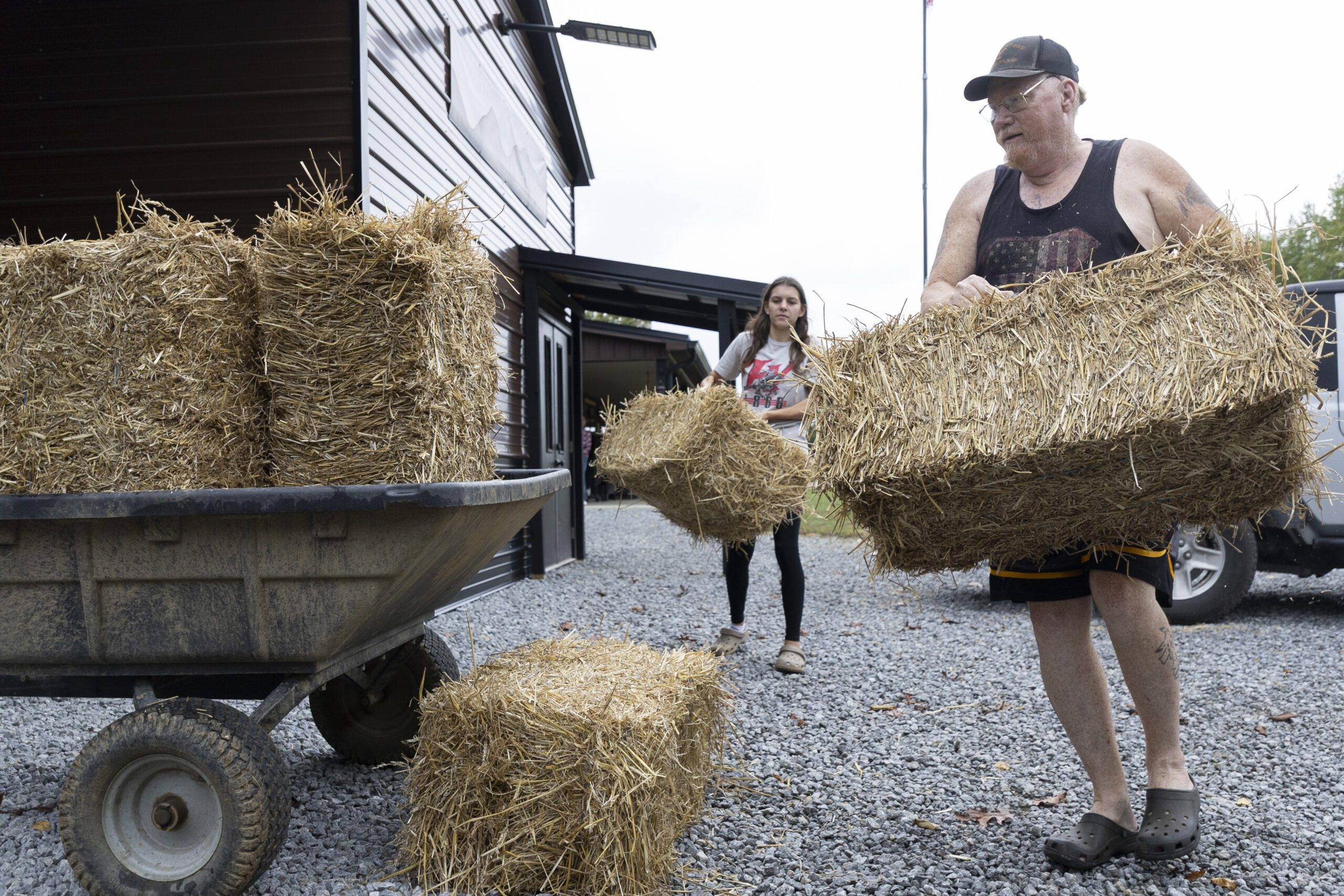 Evie Janousek, owner of God’s Country Taxidermy, transports hay bales outside her workshop in Hillsboro, Kentucky, on Friday, Oct. 16, 2026. Isabella Sepahban/The Watchdog
Since opening God’s Country, Janousek has completed over 350 pieces, and gained over 500 clients.
“There’s never going to be a time where I’ll be ahead because that’s impossible,” she said.
According to Janousek, it can be hard to find the motivation when she is feeling lonely to continue her craft.
“It’s so much work. Sometimes it is hard to get started on something,” she said. “And then to have no one to come in and talk to while I’m in that slump – it can be really hard to get moving and motivated to get stuff done.”
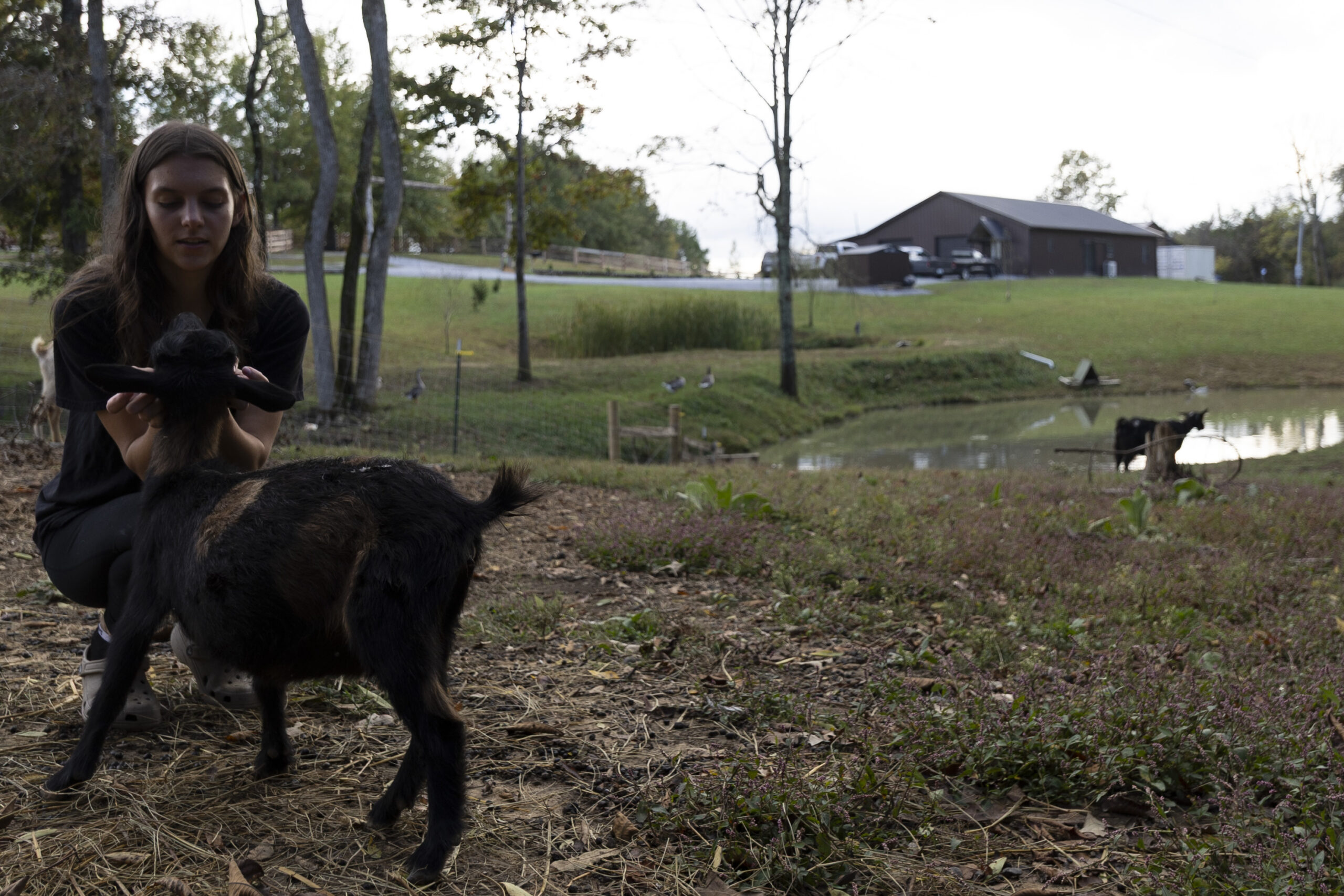 Evie Janousek, owner of God’s Country Taxidermy, plays with one of her goats outside her home in Hillsboro, Kentucky, on Thursday, Oct. 15, 2026. Janousek purchased her property’s first goat in May 2026. She now has 23 goats. Isabella Sepahban/The Watchdog
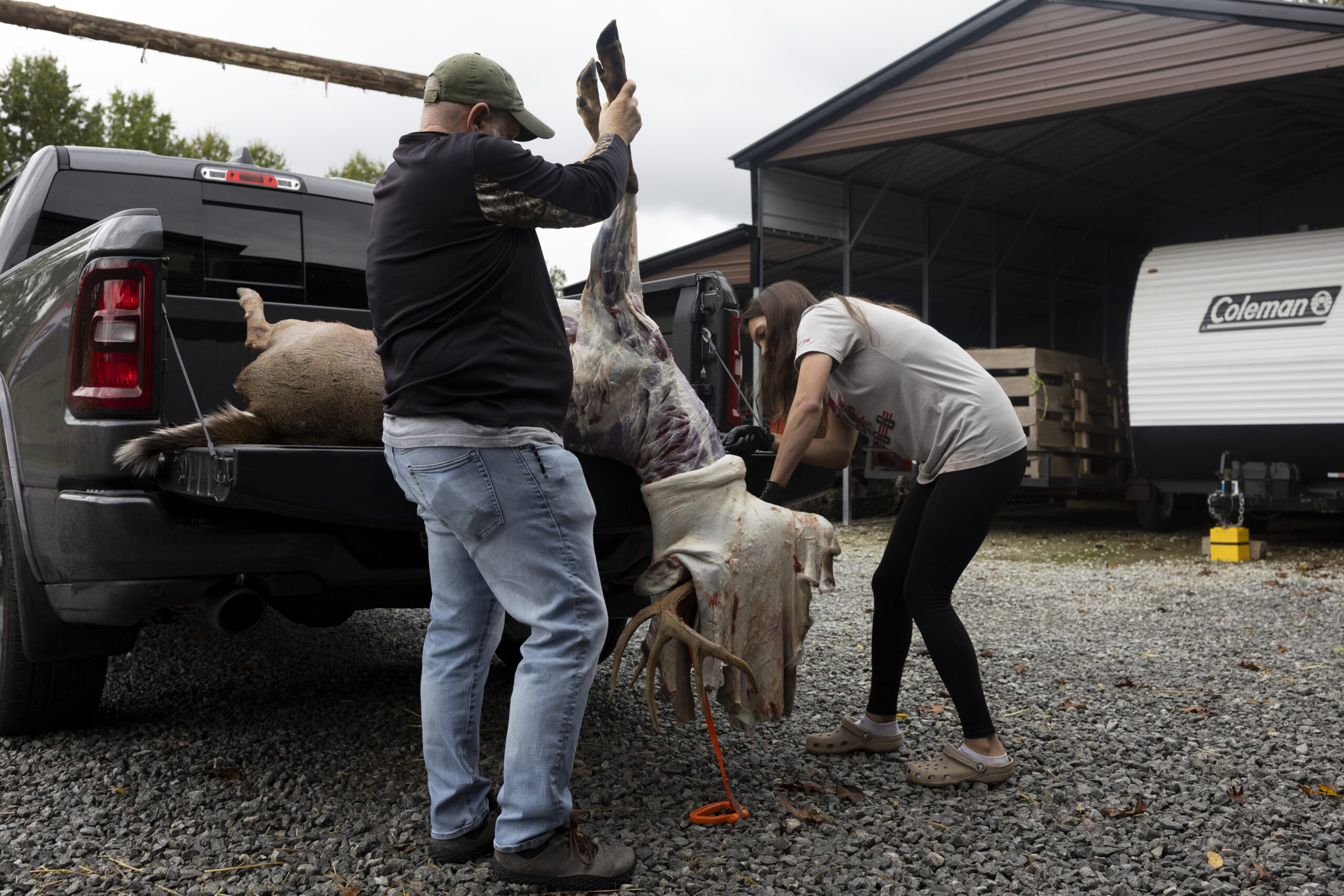 Evie Janousek, owner of God’s Country Taxidermy, skins a white-tailed deer outside her workshop in Hillsboro, Kentucky, on Friday, Oct. 16, 2026. At 17, Janousek moved to Great Falls, Montana, where she served as an apprentice for her uncle’s taxidermy shop. While working with her uncle, Janousek said she would work on over 500 animals a season. Isabella Sepahban/The Watchdog
Janousek said she would consider getting someone to help with work on animals if she were able to make more of a profit, something she has already struggled getting due to her current prices.
Because of her intense work schedule, Janousek has had to hire a nanny to come in on weekdays while she is in her shop working to help take care of her son.
“I would love to have help in the shop, but I would have to charge accordingly, and then I really wouldn’t be making any money because I’d be paying someone else to do that work that I could do, but take longer,” she said. “But then it’s also not gonna be my work 100% when people come.”
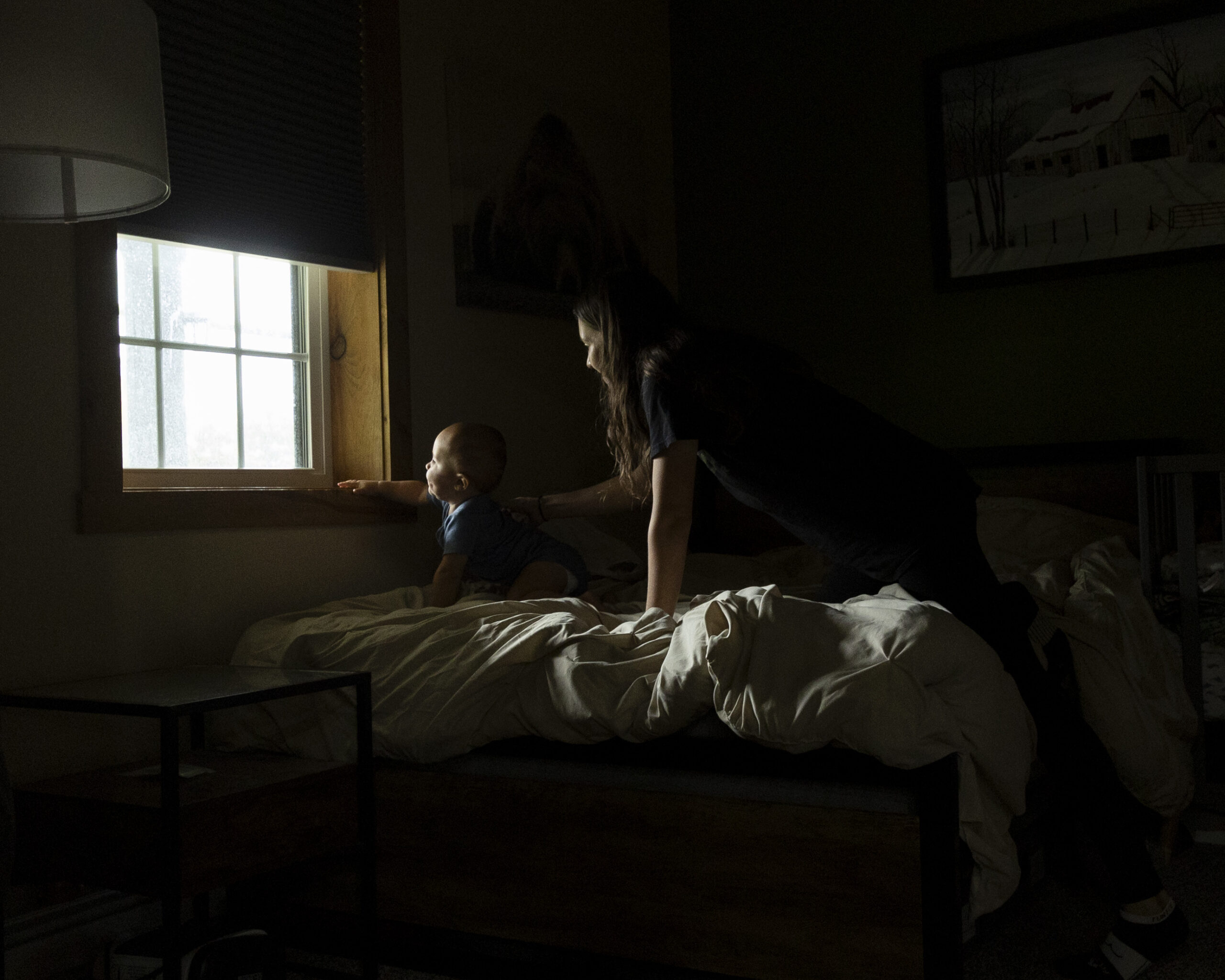 Evie Janousek, owner of God’s Country Taxidermy, plays with her 1-year-old son, Remi, at her home in Hillsboro, Kentucky, on Thursday, Oct. 15, 2026. Janousek’s husband, a timber industry worker, stays in New Mexico for work, she said, but comes home once a month for roughly a week at a time. This, alongside working 8-10 hours a day by herself in her shop, causes Janousek to face moments of deep loneliness. “It definitely hits me harder on certain days,” Janousek said. Isabella Sepahban/The Watchdog
Despite the challenges she has faced since opening her business, Janousek said she would not have it any other way. Although some days are slower than others, she said she continues to push through for her clients.
“People are waiting on me, I’m doing a service for someone else. So knowing that all those need to be done in some sort of a timely fashion– I just have to do it,” Janousek said. “There’s no other way around it, ‘cause no one else is gonna do it for me.”
Leave a Reply