
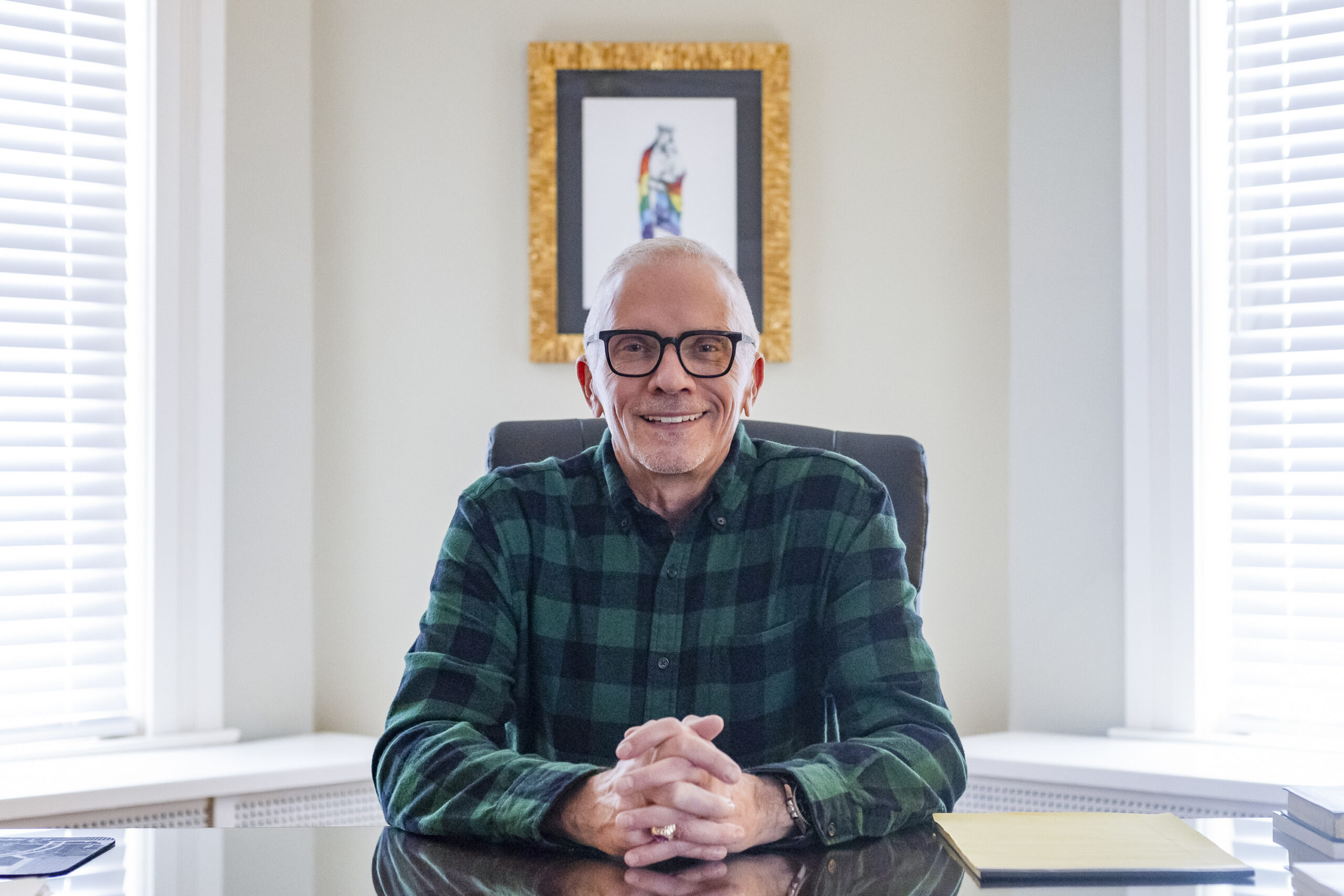
 Stan “JR” Zerkowski poses for a photo at Historic St. Paul Catholic Church in Lexington, Kentucky, on Tuesday, March 3, 2026. Gavin Breunig/The Watchdog
In April 1998, as Stan “JR” Zerkowski prepared for mass the night before Palm Sunday, his phone suddenly rang.
It was his friend, Billy, who was spending his Palm Sunday as a testicular cancer patient in a hospital’s oncology unit.
Through tears, Billy told Zerkowski that he was going to die and asked him to visit one final time.
“I’m afraid that if I die, God’s going to damn me to hell,” Billy said, “because I’m gay.”
Billy died that night.
Years later, Zerkowski reflected on Billy’s story after beginning the Catholic LGBTQ+ Ministry of Lexington at the Historic St. Paul Catholic Church.
A gay man himself, Zerkowski said that he hopes to help connect fellow queer people with the church that once pushed them away.
“God’s not going to damn you for being who you are. God loves you for who you are,” Zerkowski said. “We need to be more articulate with that in the church.”
Zerkowski began working in the Catholic Church as a musician when he was 13 years old, eventually joining the Conventual Franciscan Friars religious order at 17. He said it was then that he first realized he was gay.
“I really didn’t know what was happening. All I knew was, ‘This is okay,’” Zerkowski said. “But then there was all this guilt, there was all this Catholic stuff and everything else, and there was nobody to talk to.”
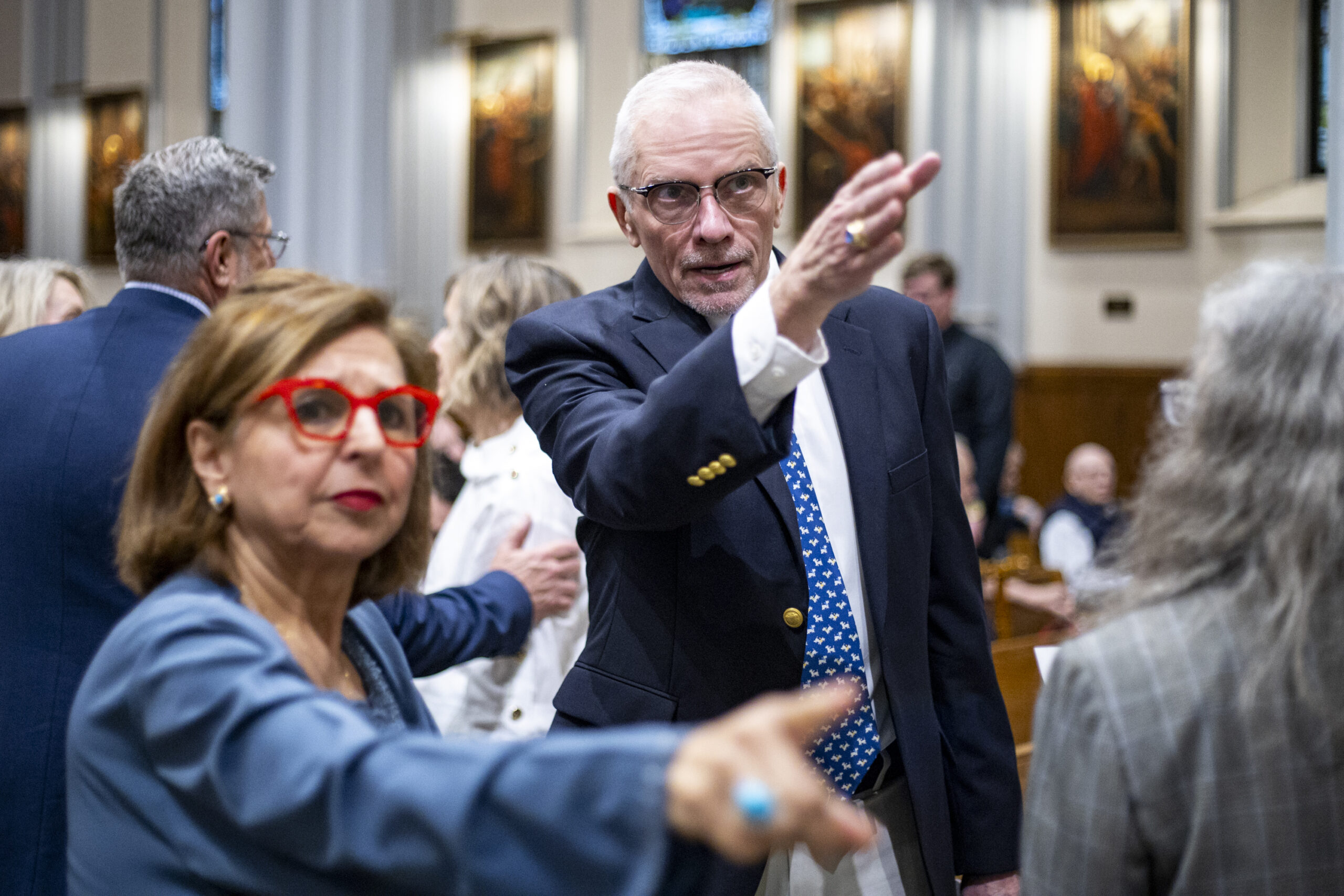 Stan “JR’ Zerkowski helps organize church members before Gov. Andy Beshear spoke during United in Hope: Denouncing Political Violence at Historic St. Paul Catholic Church in Lexington, Kentucky, on Thursday, March 5, 2026. Christian Kantosky/The Watchdog
After leaving the order in his early 20s, Zerkowski was able to fully experience life outside the church, eventually coming to terms with his sexuality.
“In my thought process then, I thought, ‘Well, every priest and every parish is going to just accept me and everybody else and maybe not talk about it, but it’s going to be okay,’” Zerkowski said. “That wasn’t the way that it happened.”
Zerkowski grew his career as a church musician, eventually finding his way to the Diocese of Orlando.
Although some members of the parish, including the pastor, knew he was gay and supported him, Zerkowski received backlash from other members of the Catholic community.
“We had one bishop that was trying to get me fired all the time because he knew I was a gay man. We had some parishioners there that were horrible,” Zerkowski said. “Horrible toward gay people and therefore to me. Not many [parishoners], but enough to make your life hell.”
After his pastor in the Diocese of Orlando retired, Zerkowski said he felt pressured to move parishes, eventually choosing to join the Historic St. Paul Catholic Church in Lexington in 2011.
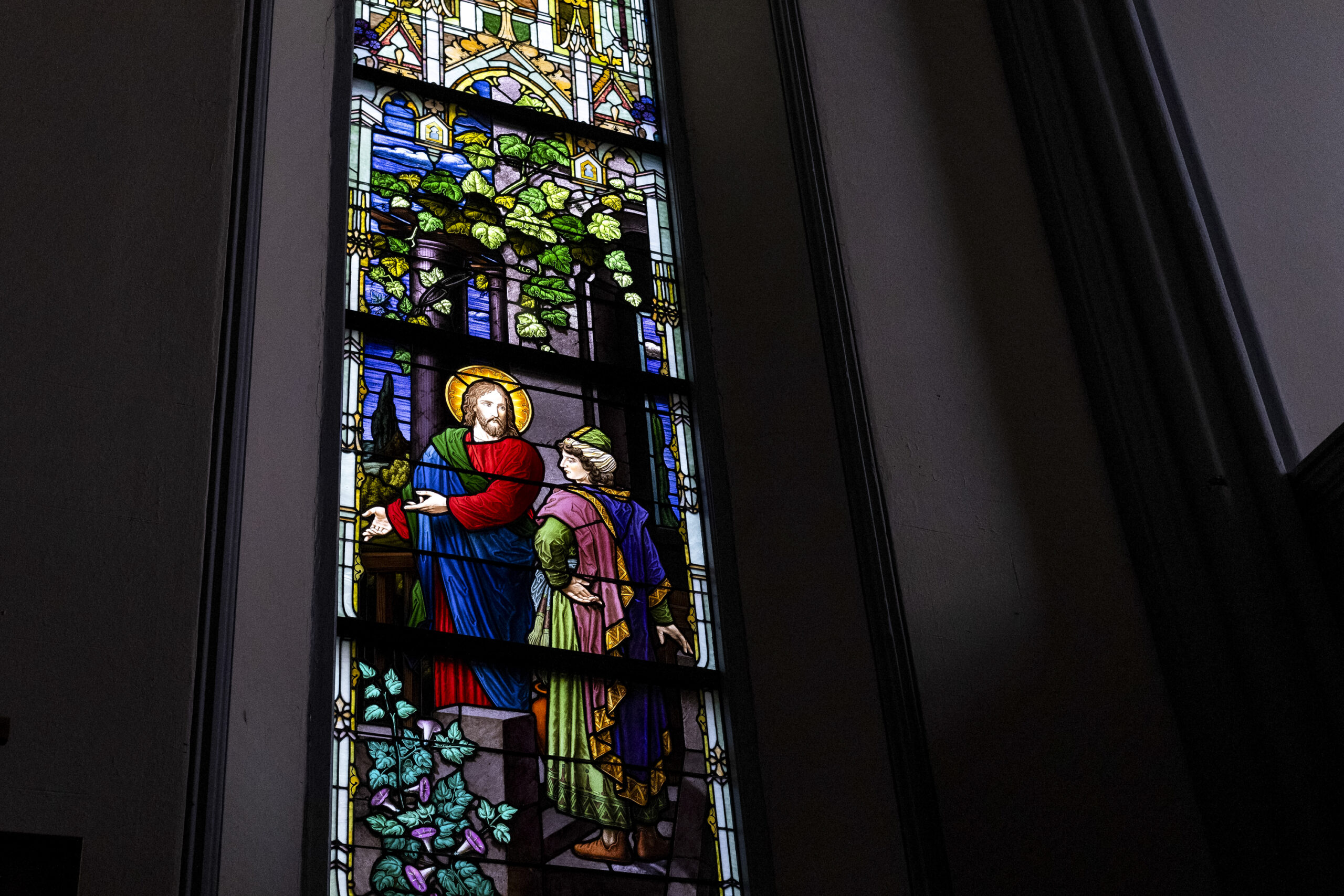 Sun shines through a stained glass window at Historic St. Paul Catholic Church in Lexington, Kentucky, on Tuesday, March 3, 2026. Gavin Breunig/The Watchdog
Five years later, Zerkowski would experience his “turning point” as a gay man within the Catholic Church after seeing how his parish reacted to the Pulse Nightclub shooting.
On June 12, 2016, in Orlando, Florida, 49 people were killed in a shooting in the predominantly gay nightclub, Pulse. According to AP News, it was the deadliest mass shooting in modern United States history at the time.
Since St. Paul had offered candlelightings for mass shooting victims in the past, Zerkowski said he anticipated a few prayers to be offered at mass that Sunday.
Instead, Zerkowski said the pastor didn’t utter a single word or prayer about the shooting or the victims.
“I somehow knew in my heart. . . it was because of who the people were,” Zerkowski said. “It was heartbreaking to realize that that church might not think my life was as valuable as someone else’s life.”
When Zerkowski later met with the pastor to discuss the shooting, he asked why no prayers were offered during mass. He was told that the pastor “couldn’t condone sin.”
Zerkowski said he was infuriated by the church that he had dedicated his life to, feeling as though he was at a crossroads with his faith.
“I was either going to walk away from the Catholic Church. . . or I was going to change what I could about the Catholic Church,” Zerkowski said.
Zerkowski wanted to honor those killed in the shooting in some way. A musician himself, he decided to invite other musicians from around Lexington to hold a prayer concert at St. Paul.
“This was a community event that was put together by the Catholic Church,” Zerkowski said. “I knew that that music would convey something that would not get in the way of the embrace.”
After his pastor rejected the idea of the concert, Zerkowski met with Bishop John Stowe of the Diocese of Lexington, who gave him permission to hold the gathering.
Through the event, Zerkowski brought together what he calls the “community of the unexpected:” a united group of people from different backgrounds, faiths and sexualities all coming together to honor the queer community.
The event was “interfaith,” with Zerkowski inviting people of many different religions to participate. Stowe started the event with a speech, where he later would say that “being LGBTQ is not a sin.”
Hearing Stowe say those words was a healing moment for Zerkowski after the Pulse shooting, and he said he never dreamed that he would hear them said in a Catholic Church.
“I lived my whole life waiting to hear those kinds of words spoken in the church that I worked in for all those decades,” Zerkowski said. “That was an incredible moment of encounter for people that were there that night.”
After the program ended, he listened to stories from queer people about how their churches had wronged them in the past. According to Zerkowski, many LGBTQ+ Catholics were told to never come back to the church, and had not stepped foot in a Catholic church in years.
Zerkowski said he resonated with many of the stories he heard, so to make up for the “damage” the church had caused, he began the Catholic LGBTQ+ Ministry Lexington program at St. Paul.
Since then, the ministry has brought many members of the queer community back to the parish, according to Stowe.
“I’ve met many of the people. I’ve heard their stories, received notes from them, which are very encouraging,” Stowe said. “We just learn more and more that it’s a reality that affects every family.”
As many parishes and members of the Catholic Church continue to spread negative rhetoric about the LGBTQ+ community, Stowe said it is important to continue spreading the message of inclusion throughout the church.
“It seemed to be very clear that people had strong prejudices that really weren’t based on knowing people as people,” Stowe said. “I think it was important to introduce people as human beings with their own stories and their own loves and their own goals and hopes in their life.”
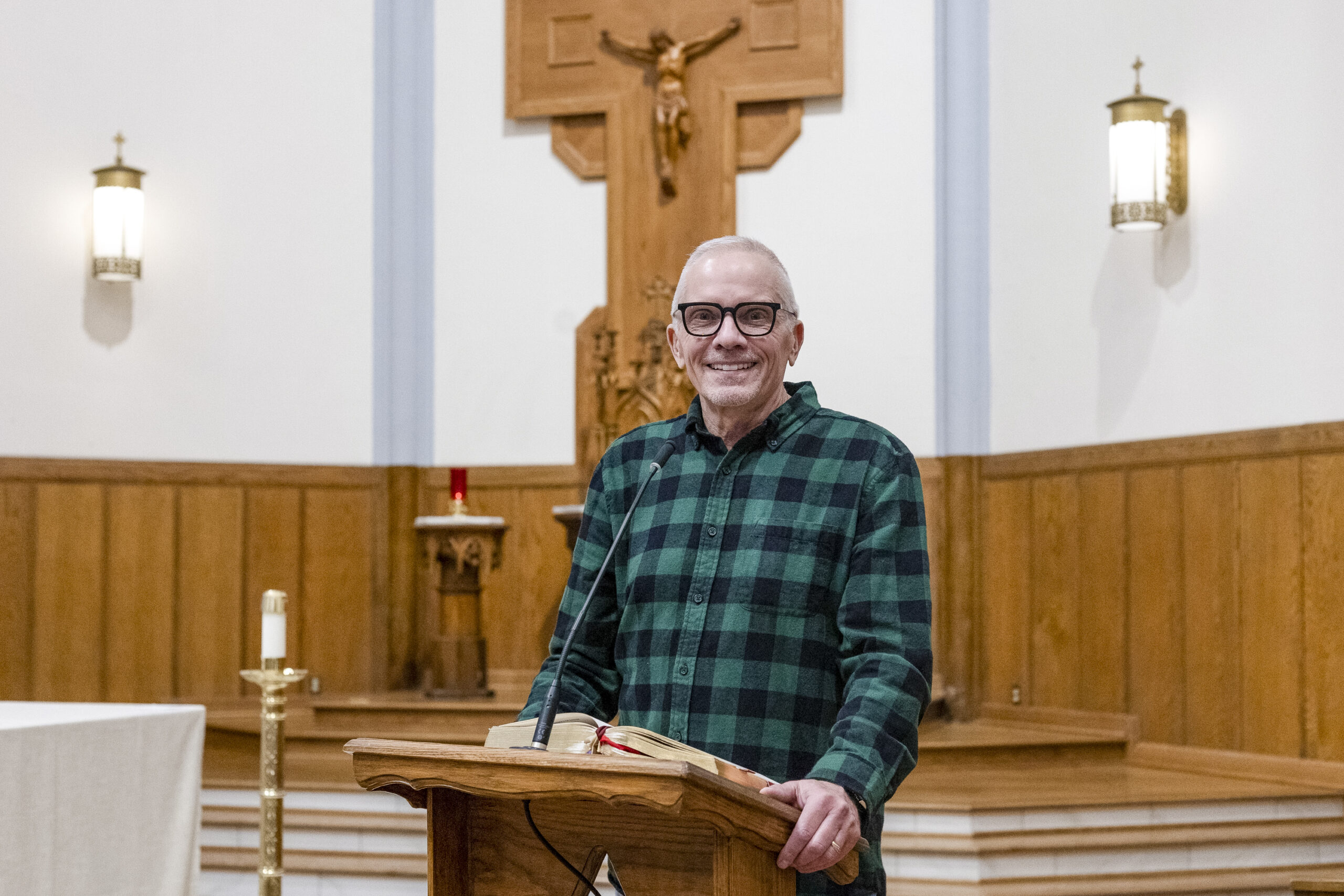 Stan “JR” Zerkowski poses for a photo at Historic St. Paul Catholic Church in Lexington, Kentucky, on Tuesday, March 3, 2026. Gavin Breunig/The Watchdog
According to Zerkowski, some people push their negative mindset publically, even coming to ministry events to protest.
“Every time there’s protesters, I walk across the street and I always try to engage [with] them,” Zerkowski said. “They never engage with me and I always invite them to come into the church to see what we’re doing.”
By reaching out to speak with the protesters, Zerkowski said he learned that attitudes must change before systemic change can begin.
“In the beginning, when we had just a few LGBT people coming here, I figured I had to build a bridge with the straight community in order for this to be effective,” Zerkowski said.
Zerkowski said he built these bridges by connecting the LGBTQ+ ministry with the Eagle Scouts and the Knights of Columbus, with some gay men in the community even becoming part of the groups.
As the ministry grew, it began to attract national attention. For his efforts beginning and running the ministry, Zerkowski was asked to become the first executive director of Fortunate Families, a non-profit organization that helps parishes, campus ministries and communities across the country build LGBTQ+ ministries.
Zerkowski hopes these ministries and the wider “community of the unexpected” can change attitudes throughout the Catholic Church by educating them on issues that directly but silently affect many people.
“The church hasn’t always been as articulate as it should on where we find Jesus walking among us,” Zerkowski said. “I think it has to turn into a way of life, not just LGBT, but can we look as a church at everybody, recognize their dignity, treat them with dignity and recognize Christ in it.”
Zerkowski said he focuses on practicing what he preaches and that respecting everybody’s life is an important part of being a “good Catholic.”
“I think each of us is very special and does something that is absolutely necessary for the good of humankind,” Zerkowski said. “There are possibilities in our inspiration that can serve the common good.”
Though Zerkowski doesn’t know where the ministry will go from here, he knows that walking with the LGBTQ+ community through the ministry could change someone’s life.
“They say the church thinks in centuries,” he said. “Well, we don’t have a century sometimes to save a life.”
Zerkowski said he feels that God has a plan for everybody, but he has no way of knowing if he was meant to create this ministry. In his mind, he’s just a man trying to find his own way to God.
However, when he looks back on his career in the church, he can see aspects of his current role in different experiences, like in his time with Billy. Zerkowski knows Billy died afraid of who he was, and he hopes to help others realize that God will accept them no matter who they are.
“I think about Billy in a lot of what I do,” Zerkowski said. “Hopefully I could say to Billy, ‘Billy, I worked my ass off so that way nobody ever had to be on their deathbed like you, afraid that God was going to damn them.’”
Leave a Reply